
"whole fruit pulp"
700 article(s) found
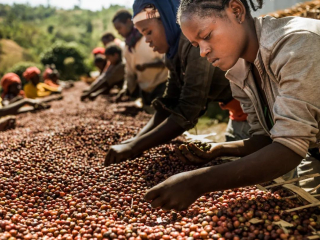
The most common 4 kinds of treatment methods: sun, water, semi-water, honey treatment of the difference?
Coffee beans are commonly processed in four ways, namely, solarization, washing, semi-washing, honey treatment. Solarization: The cheapest, simplest, and most traditional method of processing coffee beans for strong aroma requires drying the whole coffee cherry. There are also many differences in the implementation of this process, depending on the farm

Everything you need to know about coffee cherries Coffee is actually a fruit? Coffee processing methods
Not every coffee lover knows that coffee beans are actually seeds of coffee cherries. Do you want to know how it went from fruit to your everyday cup? Although coffee cherry pulp has a direct impact on the taste of coffee beans, the pulp remaining during processing is considered waste. But it has some surprising benefits and now has a number of different uses. Want to know more about this?

Dry Proces Coffee Bean Solar process explain the characteristics of Solar Coffee Bean
Professional coffee knowledge exchange for more information about coffee beans, please follow the coffee workshop (Wechat official account cafe_style) sun Natural Processed/Sundried/Dry process. By convention, before starting to look at the treatment, all readers need to have a basic understanding of the structure of the coffee fruit in order to know: which part has what effect? Which part is there?

How many coffee beans can a coffee tree produce?-introduction to the origin and varieties of coffee beans.
How many coffee beans can a coffee tree produce? one of the characteristics of a coffee tree is that its fruit can bear fruit several times a year, and that flowers and fruits (also known as cherries) coexist at different stages of ripening. The whole coffee harvest is swayed by the vagaries of nature. If the fruit is too ripe, the beans in it will rot. If not

Honduras Orange Farm Honduras Orange Farm Katuai
Professional coffee knowledge exchange More coffee bean information Please pay attention to coffee workshop (Weixin Official Accounts cafe_style) Front Street-Honduras Sweet Orange Manor Introduction [Honduras Sweet Orange Manor] Honduras El Naranjo Country: Honduras Production Area: Makala Marcala Elevation: 1425 meters Variety: Kaduai Itinerary Method: Washing 01| Honduras, Honduras
Honduras Orange Farm Honduras Orange Farm Katuai Introduction
Professional coffee knowledge exchange More coffee bean information Please pay attention to coffee workshop (Weixin Official Accounts cafe_style) Front Street-Honduras Sweet Orange Manor Introduction [Honduras Sweet Orange Manor] Honduras El Naranjo Country: Honduras Production Area: Makala Marcala Elevation: 1425 meters Variety: Kaduai Itinerary Method: Washing 01| Honduras, Honduras

Coffee bean production process and common coffee processing methods
Process Description: 1. Remove the shell and remove the coffee shell. 2, choose beans, remove moldy coffee beans. 3, cleaning, washing coffee with water to wash away surface dirt. 4. Bake, bake at 90~100℃ for half an hour. 5. Grinding: grinding and crushing the processed coffee with a roller grinder. 6, pulping (add water), add coffee about 3 times the 95℃ hot water
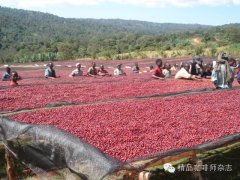
Detailed explanation of sun, half-sun, water washing and honey treatment of coffee beans
In recent years, with the continuous popularity of boutique coffee, new occupations: roaster and cup tester have become popular in the industry, and coffee roasting has also become the preferred way for some baristas and enthusiasts to start a business. there are many factors that determine its taste, the variety of coffee trees, the way coffee beans are handled, the local conditions in which the tree grows, and even related to the tree.

The method of growing Coffee what kind of environment is most suitable for planting coffee trees
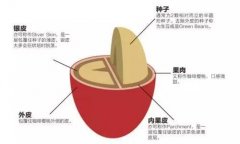
Coffee fruit contains two seeds, namely coffee beans. The two beans are connected face to face with each other on one side of the plane. Each coffee bean has a thin outer film, which is called silver skin, and its outer layer is covered with a yellow outer skin, called endocarp. The whole coffee bean is wrapped in a sticky pulp to form coffee pulp, which is soft and sweet.

The planting and cultivation of Coffee Tree Seedling which country has the best coffee planting area?
Coffee fruit contains two seeds, namely coffee beans. The two beans are connected face to face with each other on one side of the plane. Each coffee bean has a thin outer film, which is called silver skin, and its outer layer is covered with a yellow outer skin, called endocarp. The whole coffee bean is wrapped in a sticky pulp to form coffee pulp, which is soft and sweet.

What is the significance of sun-cured coffee? analysis of the advantages and disadvantages of sun-curing coffee beans
Professional coffee knowledge exchange more information about coffee beans Please pay attention to the coffee workshop (Wechat official account cafe_style) tanning (Natural Process) is the oldest and most primitive treatment of coffee beans. First pour the harvested coffee fruit into a big trough, the ripe and full fruit will sink to the bottom of the water, and the underdeveloped or overripe fruit will surface and shave these floating beans.
Coffee bean treatment method what is the difference between sun treatment and washing treatment?
Usually when drinking coffee, it is always written on the labels of merchants such as sun exposure, water washing, honey treatment and so on. Sun exposure and water washing are relatively easy to understand, but what honey treatment and wet planing method really do not understand what the ghost is. So the editor would like to talk to you today. What are the common methods of coffee treatment? But it is small because there is a lot of content.

The planting method of Coffee Tree the planting environment of coffee tree introduces what kind of environment is most suitable for growing coffee
Coffee fruit contains two seeds, namely coffee beans. The two beans are connected face to face with each other on one side of the plane. Each coffee bean has a thin outer film, which is called silver skin, and its outer layer is covered with a yellow outer skin, called endocarp. The whole coffee bean is wrapped in a sticky pulp to form coffee pulp, which is soft and sweet.

Description of West Java Honey Flavor of Coffee beans introduction to the region and country of the manor
After discussing the three treatments of coffee in Brazil, it is not clear which treatment has the best flavor for coffee beans. they are all the process of turning coffee fruit into raw coffee beans. including peeling, pulp and pectin layer removal or retention, drying and other processors. And all kinds of treatment methods are influenced by region, traditional habits or market demand, and they are spreading.
Basic Cognition of Coffee trees
The origin of the coffee tree is Ethiopia in Africa. In botany, coffee trees belong to the long green trees of the subgenus Rubiaceae, and coffee beans, commonly known as coffee beans, are actually the seeds of the fruit of coffee trees, just because they are shaped like beans, so they are called coffee beans. Climate is the decisive factor for coffee cultivation. Coffee trees are only suitable for growing in the tropics or subtropics, so latitude 25 is south and north.
Basic Cognition about Coffee trees
The origin of the coffee tree is Ethiopia in Africa. In botany, coffee trees belong to the long green trees of the subgenus Rubiaceae, and coffee beans, commonly known as coffee beans, are actually the seeds of the fruit of coffee trees, just because they are shaped like beans, so they are called coffee beans. Climate is the decisive factor for coffee cultivation. Coffee trees are only suitable for growing in the tropics or subtropics, so latitude 25 is south and north.
The basic knowledge of coffee trees.
The origin of the coffee tree is Ethiopia in Africa. In botany, coffee trees belong to the long green trees of the subgenus Rubiaceae, and coffee beans, commonly known as coffee beans, are actually the seeds of the fruit of coffee trees, just because they are shaped like beans, so they are called coffee beans. Climate is the decisive factor for coffee cultivation. Coffee trees are only suitable for growing in the tropics or subtropics, so latitude 25 is south and north.
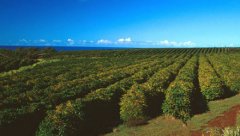
The encyclopedic knowledge of coffee trees.
The origin of the coffee tree is Ethiopia in Africa. In botany, coffee trees belong to the long green trees of the subgenus Rubiaceae, and coffee beans, commonly known as coffee beans, are actually the seeds of the fruit of coffee trees, just because they are shaped like beans, so they are called coffee beans. Climate is the decisive factor for coffee cultivation. Coffee trees are only suitable for growing in the tropics or subtropics, so latitude 25 is south and north.

Coffee beans dried, semi-dry, wet and honey-treated coffee beans fermented high-quality coffee
Boutique coffee (specialty coffee) is also called specialty coffee selection coffee. It refers to coffee made from a small number of raw beans with excellent taste grown in an ideal geographical environment. Depending on the special soil and climatic conditions in which they grow, they have outstanding flavor. After strict selection and classification, this kind of coffee is hard in texture, rich in taste and stylish.
Basic knowledge of coffee about coffee trees
The origin of the coffee tree is Ethiopia in Africa. In botany, coffee trees belong to the long green trees of the subgenus Rubiaceae, and coffee beans, commonly known as coffee beans, are actually the seeds of the fruit of coffee trees, just because they are shaped like beans, so they are called coffee beans. Climate is the decisive factor for coffee cultivation. Coffee trees are only suitable for growing in the tropics or subtropics, so latitude 25 degrees south and north.